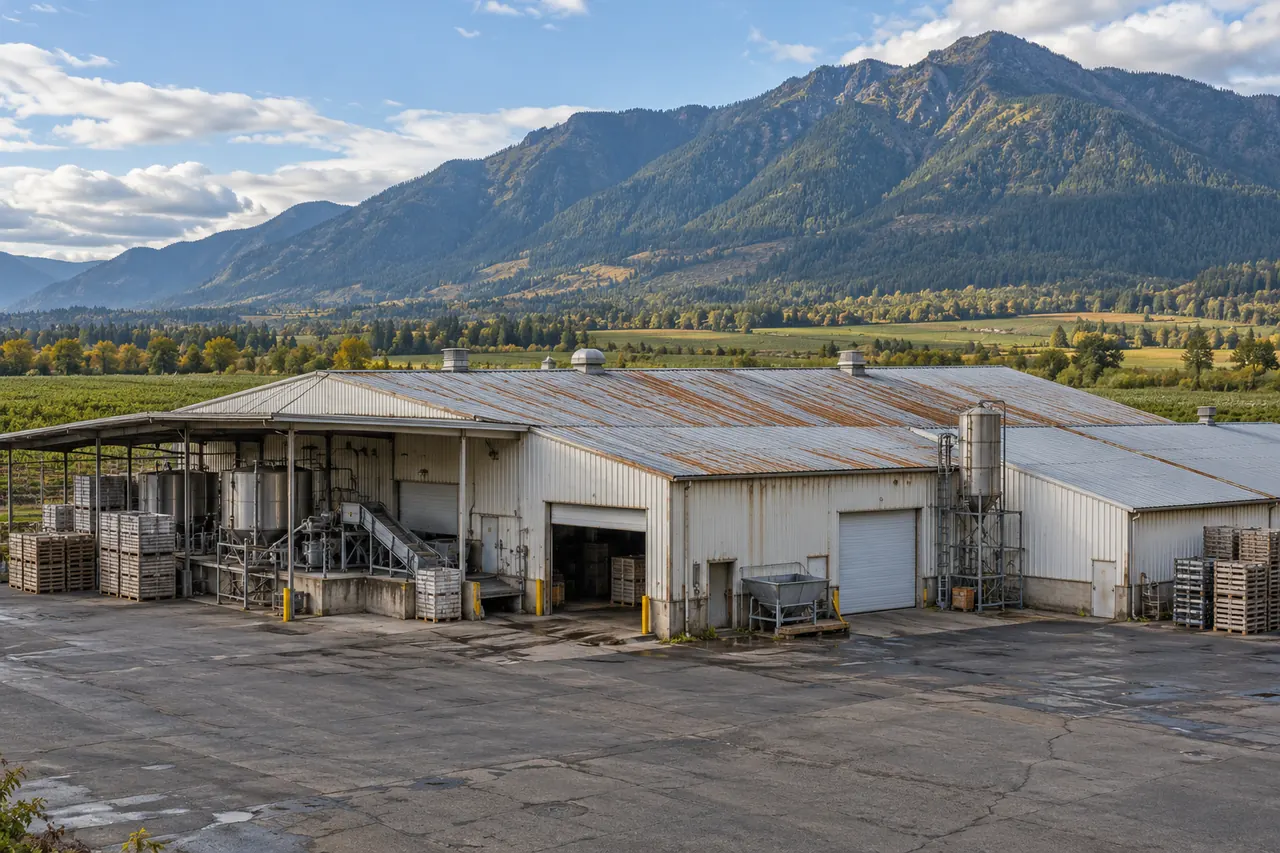
Keep The Panels You Have
Panels that still hold a screw stay on the building. The spend goes to primer, fasteners, lap sealing, and coating instead of new steel and the labor to swap it.

Metal Panel Roofs
We do metal roof coating in Safford for shop, barn, and warehouse buildings. Rust gets primed, screws and laps get sealed, and a white topcoat goes over the panels.
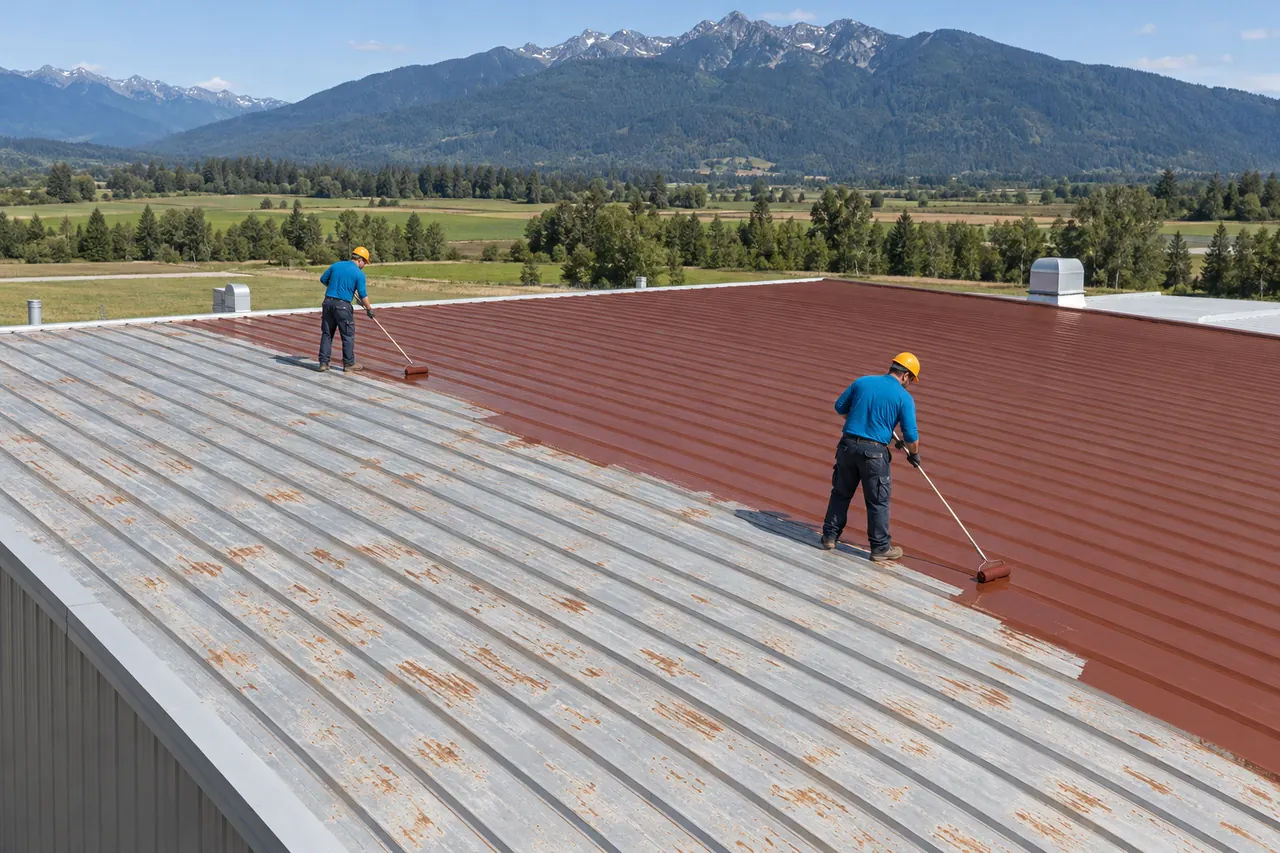
The answer turns on how deep the rust goes and whether the panels still hold a fastener.
Metal roofs often show trouble in the bay below before it is obvious from the ground.
Rust flakes falling onto stock or equipment come from corroded panel undersides or fastener rows above.
Washers dry out and crack under summer heat, so screws loosen and rust spreads outward from each hole.
Leaks that follow a straight line across the bay usually start at an end lap or side lap that has opened.
Panels expand and shrink every day, working end laps loose. Seam tape or brush-grade sealant closes them before coating.
Water that shows up only during monsoon rain points to skylight curbs, ridge caps, or gutters that overflow.
Old fiberglass panels and their edges crack in UV. Fabric reinforcement at the edges, or new panels, comes before coating.
Moisture that appears on still, cool mornings with no rain is often condensation under the panels, a separate problem from a roof leak.
Torn vapor facing under the panels lets moist air reach cold steel. Coating the roof top leaves that facing as it is.
Streaks running down the outside walls come from gutters and eave trim corroding where water sits.
Gutters and eave trim get cleaned, primed, and coated with the field, or replaced where the metal is gone.
These are the real choices on a metal roof, from a full coating system to panel work first.
| Option | What Goes On | Best Match | Watch For |
|---|---|---|---|
| Rust Primer And Acrylic | Wash, rust primer on bare spots, seam tape at laps, two acrylic coats | Sloped panels that shed water fast | Standing water at a gutter or low eave softens acrylic |
| Rust Primer And Silicone | Wash, primer, sealed laps and screws, one or two silicone passes | Low-slope metal that holds water near the eave | Future recoats must be silicone |
| Seam And Fastener Package | New screws and washers, sealed laps, fabric at curbs, spot coating | Firm field panels with leaking details | The field keeps aging; plan a full coat later |
| Panel Replacement First | Rusted-through panels swapped, then one of the coatings above | Scattered holes in otherwise firm panels | Matching panel profile and gauge |
On a metal building, the coating covers the parts that fail first: laps, screws, and bare rusting steel.
Panels that still hold a screw stay on the building. The spend goes to primer, fasteners, lap sealing, and coating instead of new steel and the labor to swap it.
Every screw head and lap ends up under one continuous layer, which closes the hundreds of small openings a metal roof has.
A white topcoat reflects sun that bare or rusty steel soaks up, so the panel surface stays cooler on summer afternoons.
When the topcoat wears, the roof gets washed and recoated, and the primed steel underneath stays protected.
Call with the building size and roughly how many leaks show up inside. Rust at screw heads is the usual starting point on Safford metal roofs.
The order matters most on metal: rust and fasteners come before any coating.
 Step 1
 Step 2
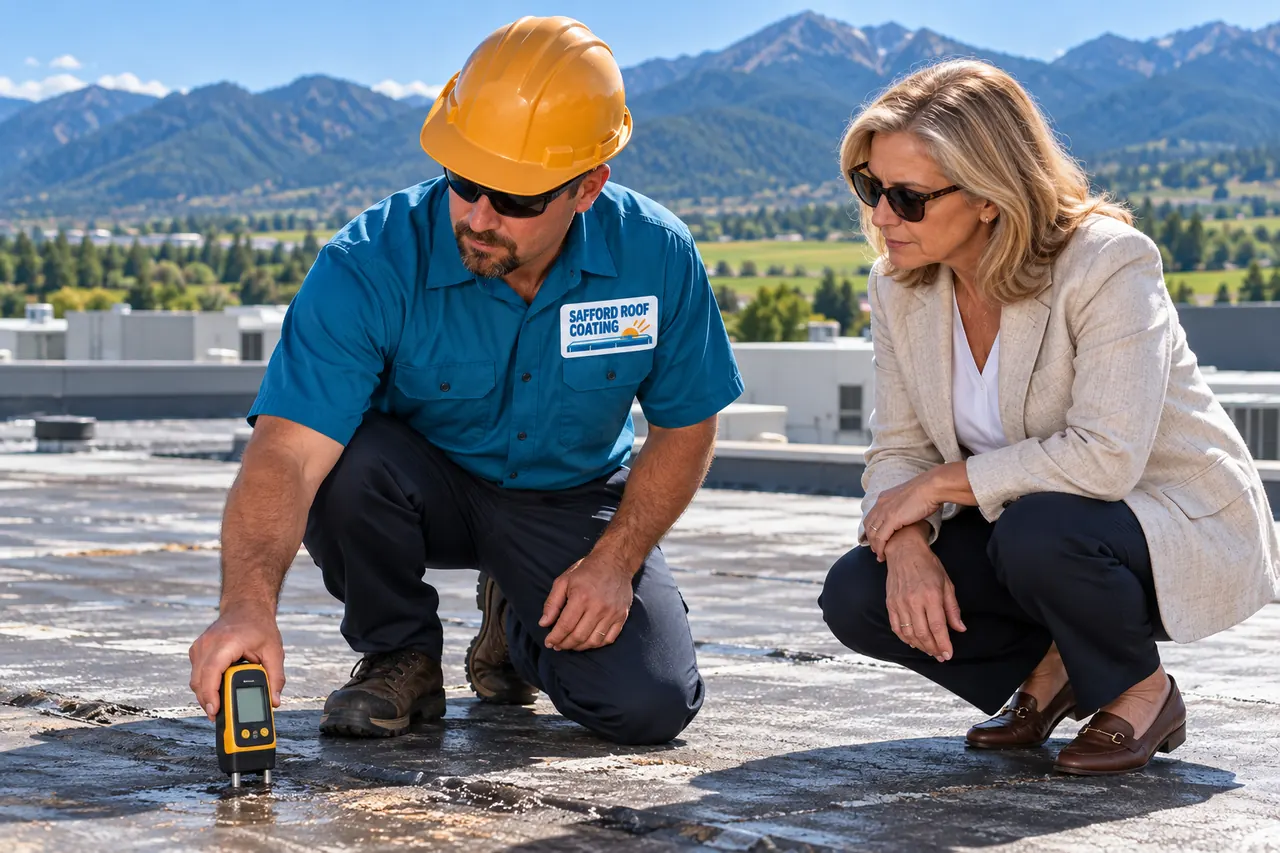
We check rust depth panel by panel, test a few screws for grip, and mark open laps, cracked skylights, and gutter rust on a roof sketch.
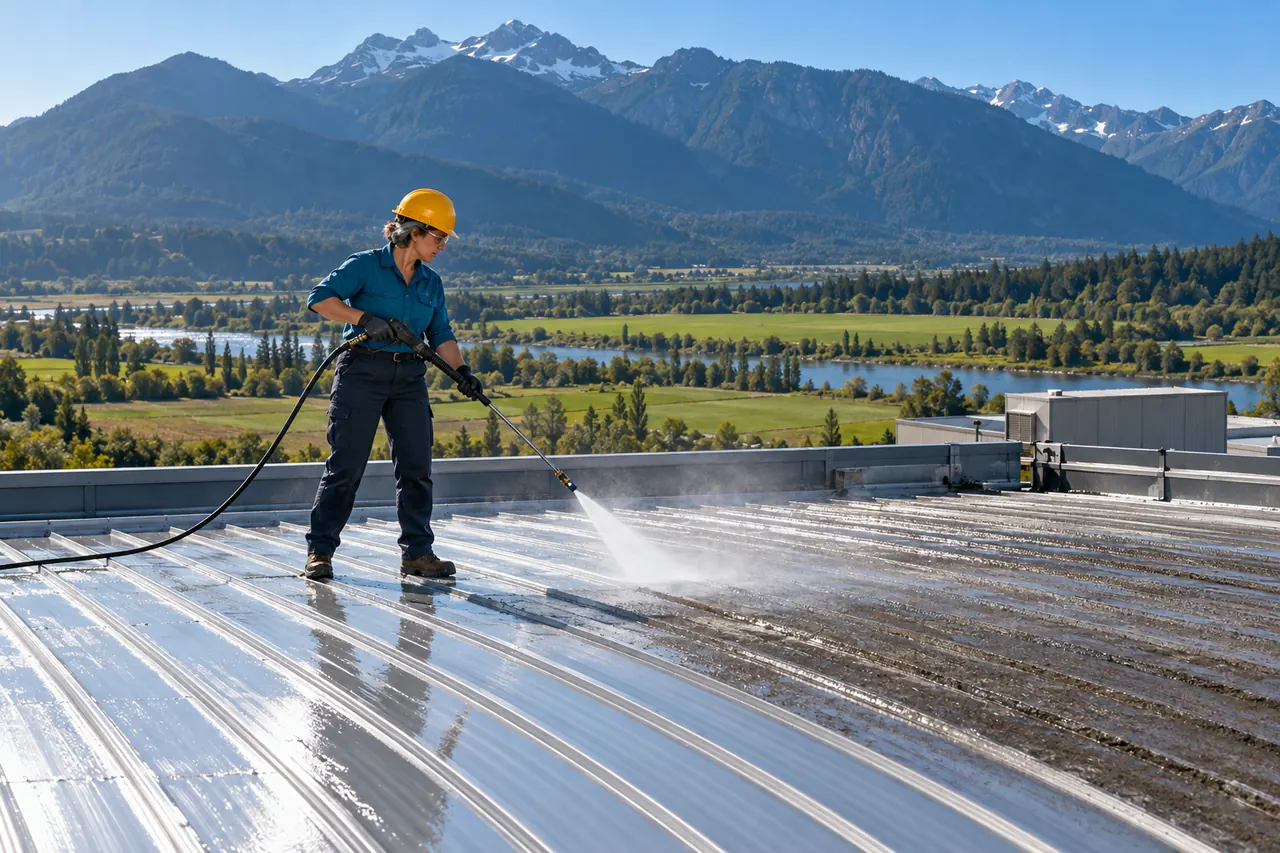
A pressure wash takes off dust, loose scale, and chalky old paint so primer reaches bare steel at every rust spot.
Loose scale is ground or wire-brushed, rust-inhibiting primer goes on, and backed-out screws and worn washers are replaced.
Seam tape or brush-grade sealant covers end laps and side laps, and fabric reinforces skylight and curb edges.
Acrylic or silicone goes on in passes to the maker's mil count, with extra care at screw rows and laps where thin spots show first.
Two other systems come up often on metal buildings in Safford.
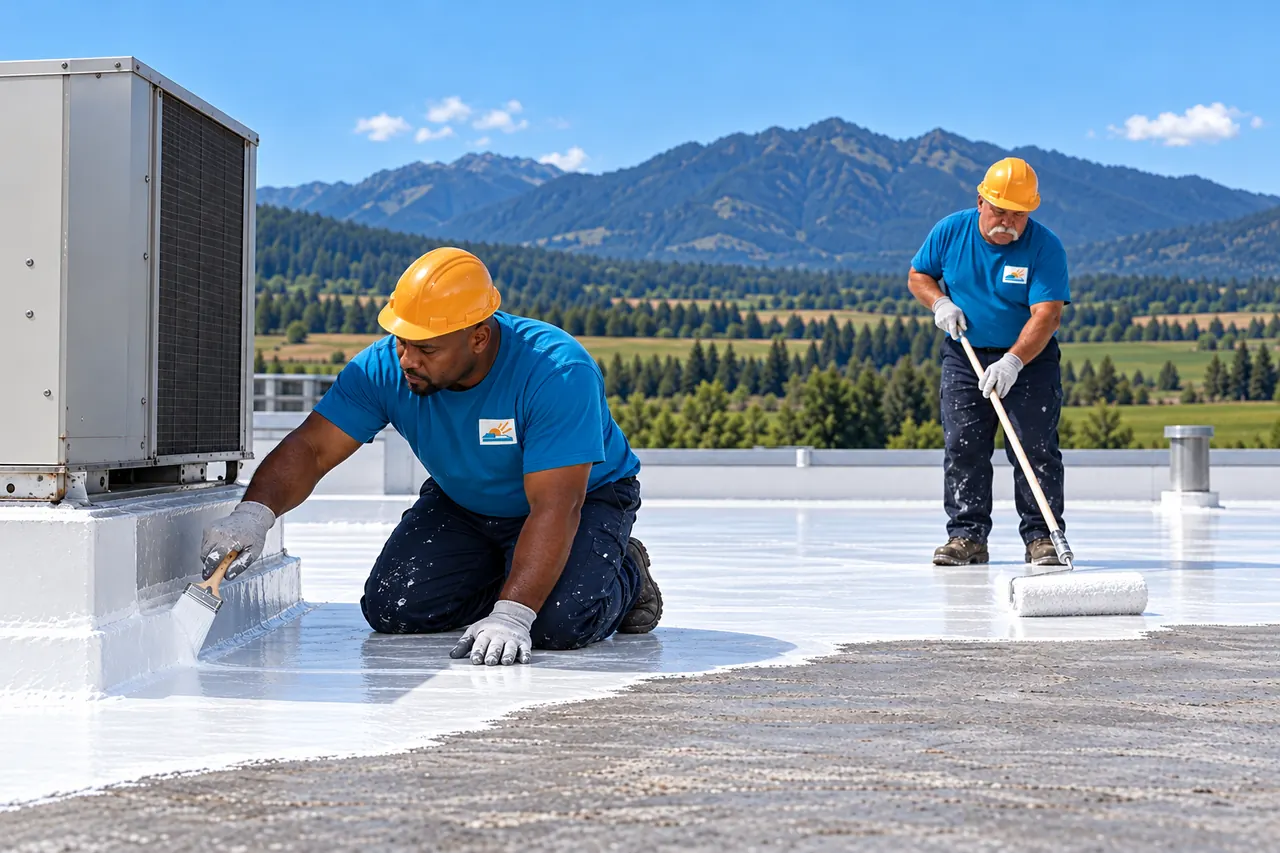
Acrylic is the usual topcoat on steep metal panels that shed water fast, and its white surface stays cleaner in dusty air.
Acrylic Roof Coating Details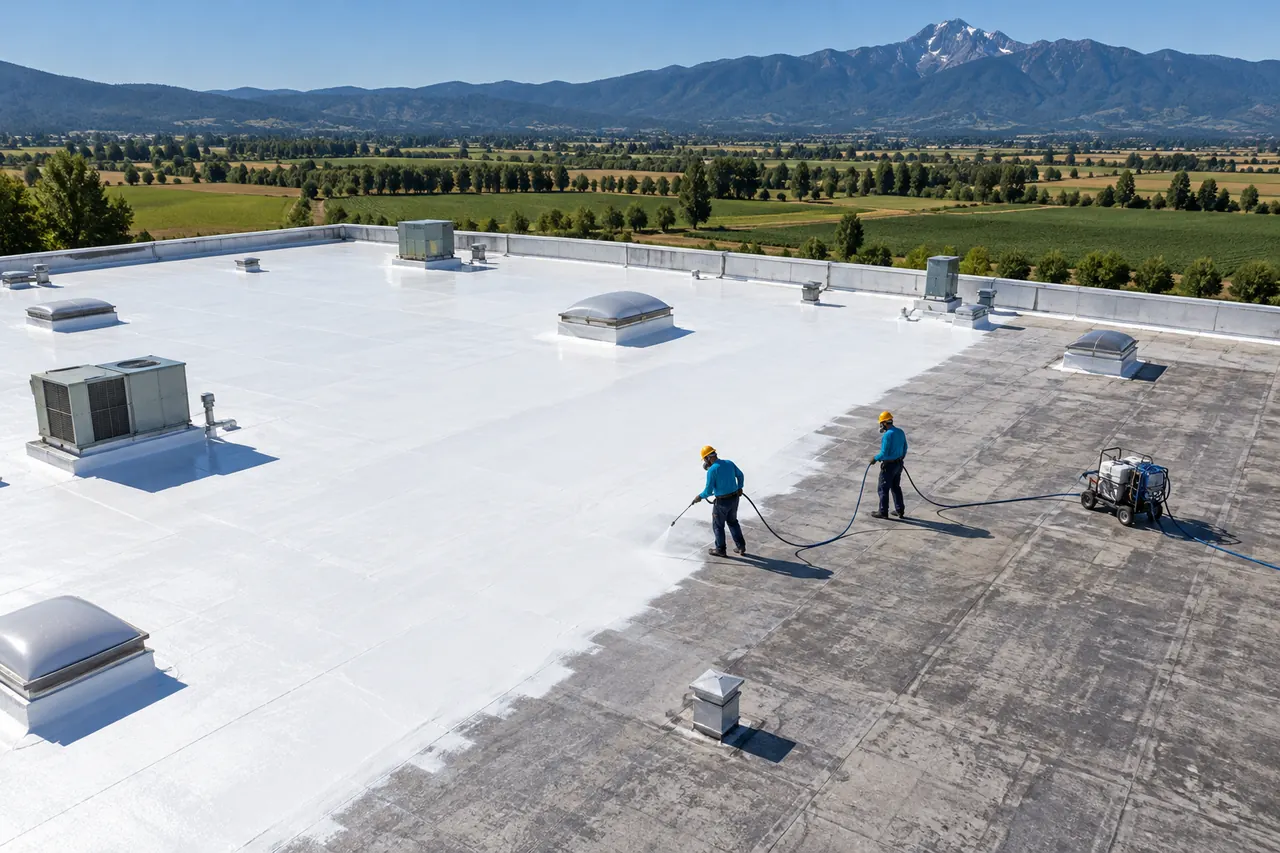
Low-slope metal with water sitting at the eave or around a curb gets silicone, which holds up under ponding where acrylic softens.
Silicone Roof Coating DetailsStraight answers about rust, fasteners, and panel movement.
Asked Most Often
Yes, as long as the rust sits on the surface and the panels still hold a screw. Gin, barn, and mining-support roofs around Safford often show rust bloom at laps and screw heads.
Those spots get ground or wire-brushed and primed, worn screws and washers get replaced, laps get sealed, and skylight and curb edges get fabric. Panels rusted through get replaced first.
Not always. Screws that have backed out, stripped, or lost their washer get replaced, usually with a slightly larger fastener in the same hole. Tight screws with firm washers stay and get sealed under the coating.
No. Coating works on the outside of the panel. Drips on cool, still mornings come from moist air meeting cold steel inside, which is handled through ventilation or the insulation facing.
Acrylic is the common pick for sloped panels that drain fast. Silicone goes on low-slope metal where water sits near the eave. Both need the rust primer and lap sealing underneath.
Yes. Standing-seam roofs have fewer exposed screws, so the work centers on clips, seams, end laps, and penetrations. The coating is applied so the seams can still move as the panels expand.
Gutters and eave trim get the same wash, primer, and coating as the field when the metal is still solid. Sections that are rusted through get replaced so water leaves the roof cleanly.
Yes. Clear gutters and valleys, check screw rows and laps after hail or wind, and patch scuffs with compatible coating. A roof walk each spring catches thin spots before rust returns.
Send the roof size and a few details, or call to talk through rust, screws, and leaks.
Want A Call About Your Roof?
Leave a name and number, or call (623) 310-0164 now.