Shop And Barn Stay In Use
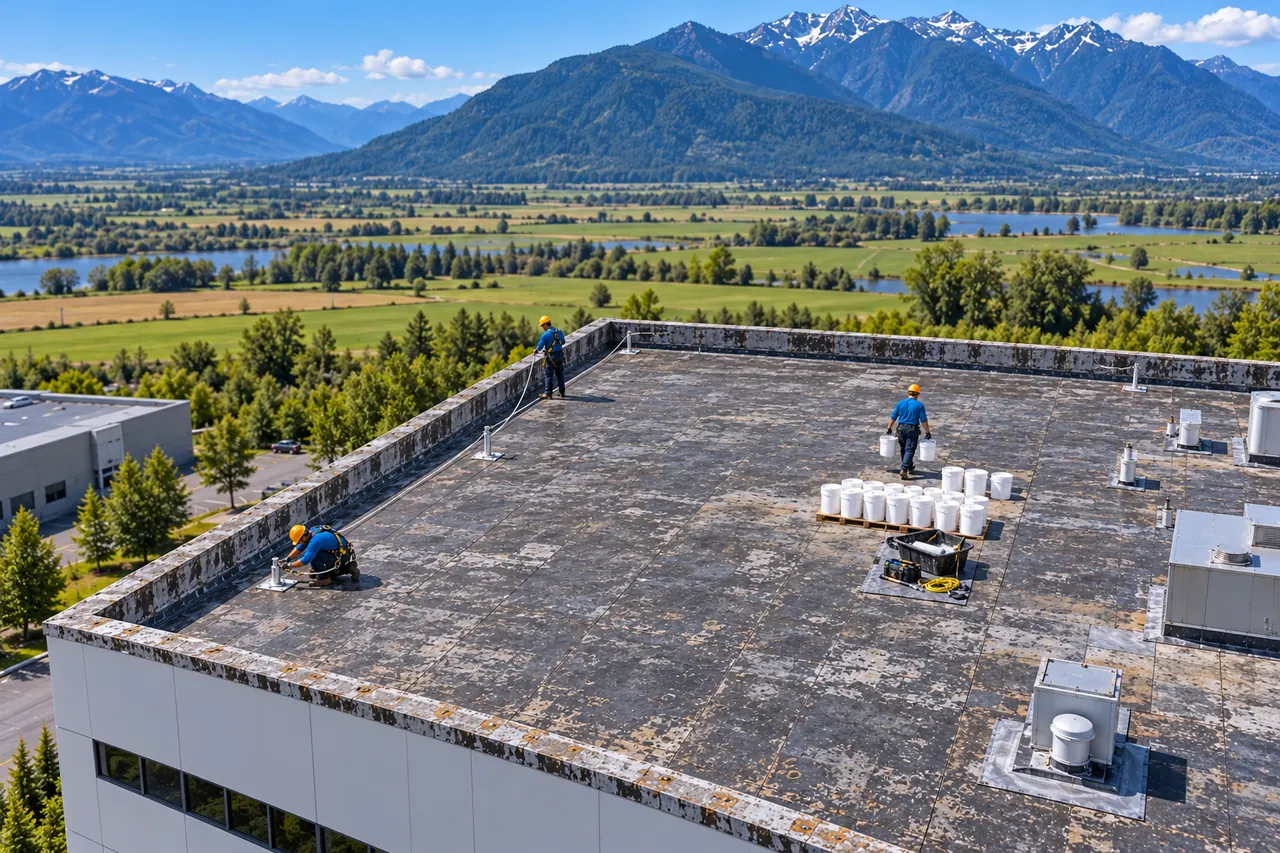
Coating goes on from the roof, so equipment, feed, and stored crops stay where they are. Work moves along the roof in sections, away from the bays in use that day.

Pima, Arizona
We handle roof coating in Pima for metal farm shops, barns, and ag buildings along US-70. Laps get sealed and rust gets primed before any topcoat goes on.
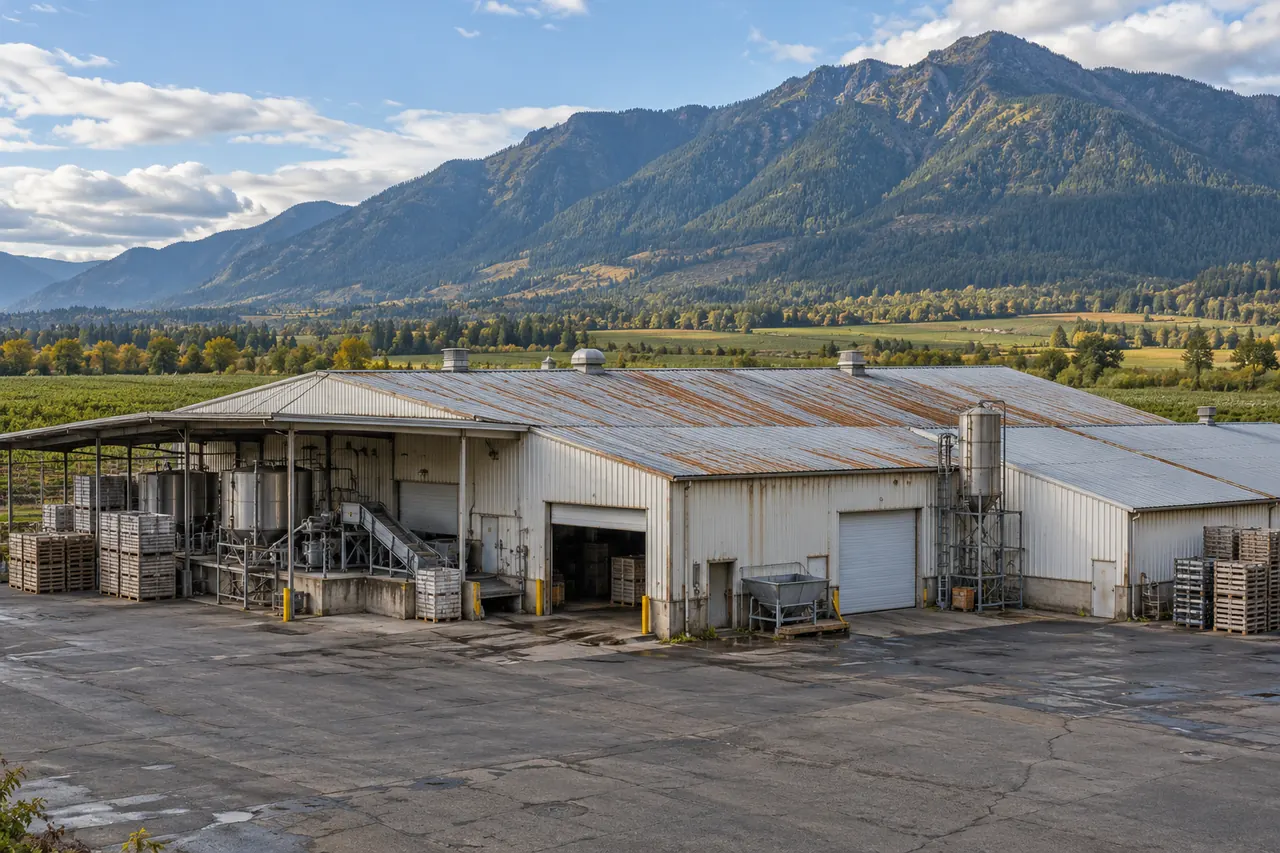
Pima has long been a farming town on the Gila River, and its working buildings show it: equipment shops, hay barns, and storage sheds under exposed-fastener metal roofs.
Those roofs need lap sealing and rust priming before coating. Open laps and loose screws leak first, and rust spreads from every washer that has dried out.
Metal ag buildings tend to fail at the same few details.
Rust flakes dropping onto equipment or bales mean the panels above are corroding at laps or screws.
Water held between overlapping panels rusts the laps first. Those get cleaned, primed, and sealed.
Lines of drips across an equipment bay after storms trace back to a row of loose screws above.
Wind and daily heat cycles loosen screws over time. New screws with fresh washers close the holes.
Pinpoints of daylight seen from inside mean holes in the panels, which need replacing before coating.
Panels with holes rusted through get replaced with a matching profile so the coating covers solid steel.
Shops and barns with big open doors collect dust, and the roof surface collects it too.
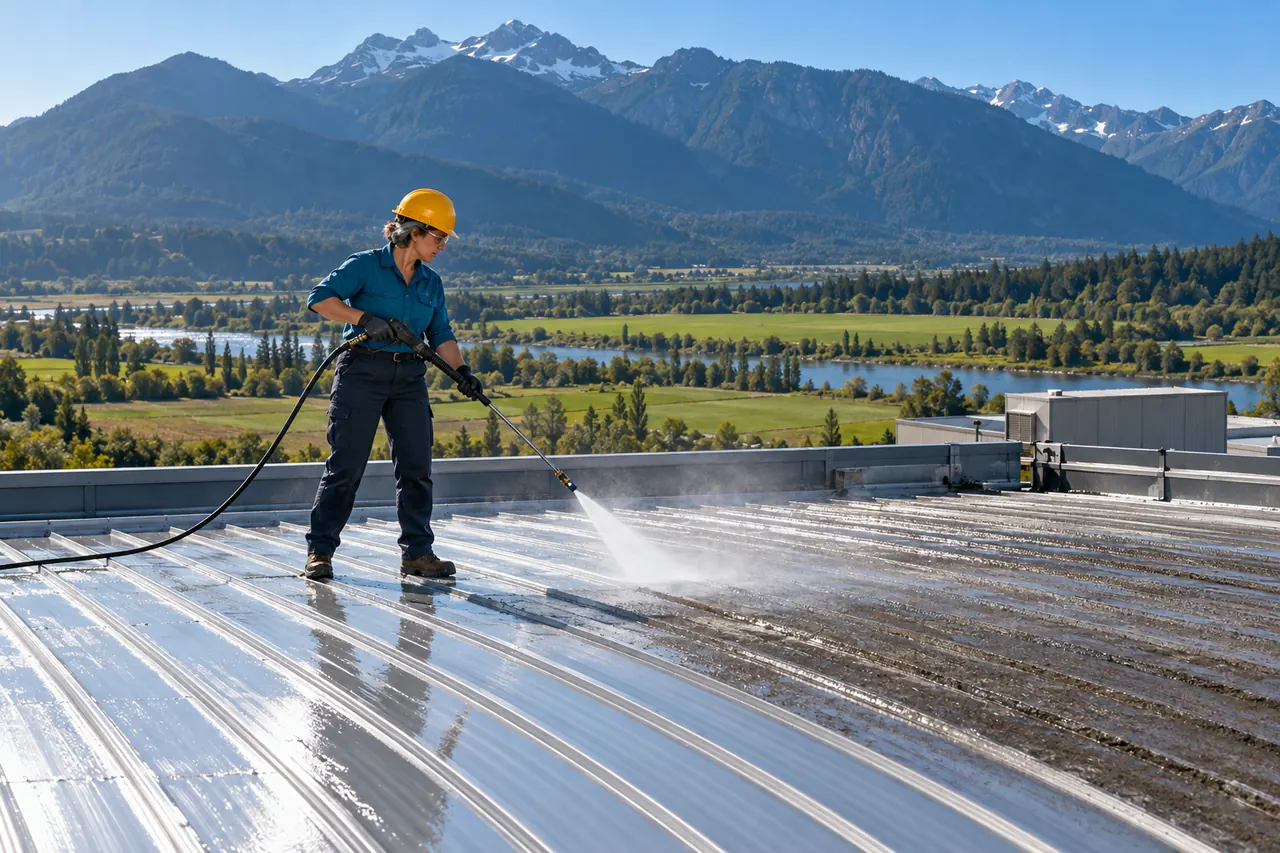
Dust and bird debris bake onto the panels. A thorough wash comes first so primer reaches the steel.
Water at a roll-up or sliding door header often comes from the eave trim or gutter above.
Eave trim and gutters get primed and coated with the roof, or replaced where the metal is gone.
On a working ag building, coating keeps the steel you have and the work below running.
Coating goes on from the roof, so equipment, feed, and stored crops stay where they are. Work moves along the roof in sections, away from the bays in use that day.
Firm panels stay on the barn, and the budget goes to screws, primer, lap sealing, and coating.
A white topcoat reflects sun that rusty steel soaks up, which keeps the panel surface cooler over stored crops and parts.
When the topcoat wears, the barn roof gets washed and recoated over the same primed steel.
Most Pima roofs we see are metal, with a few flat-roofed offices and packing rooms.
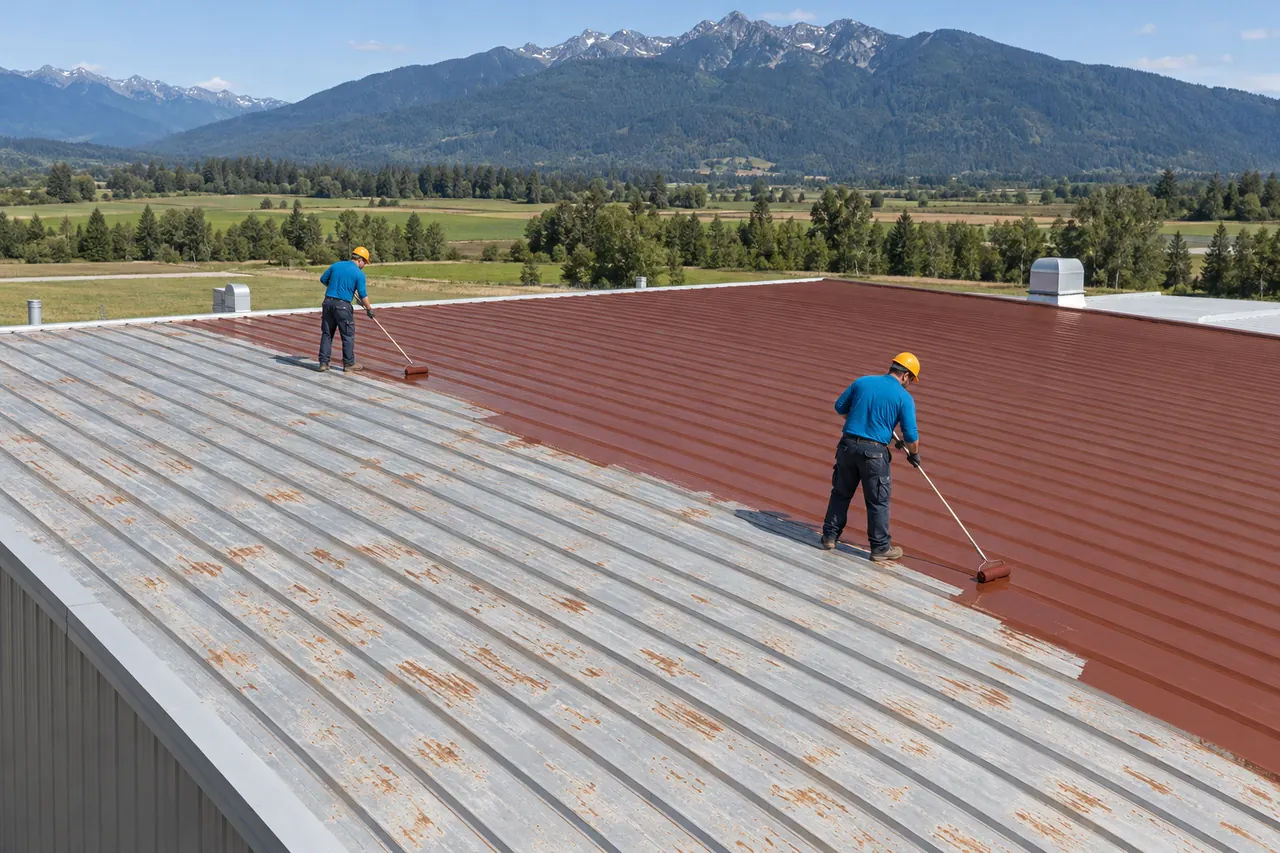
Exposed-fastener shop and barn roofs get rust primer, new screws, sealed laps, and a white topcoat.
Metal Roof Coating Details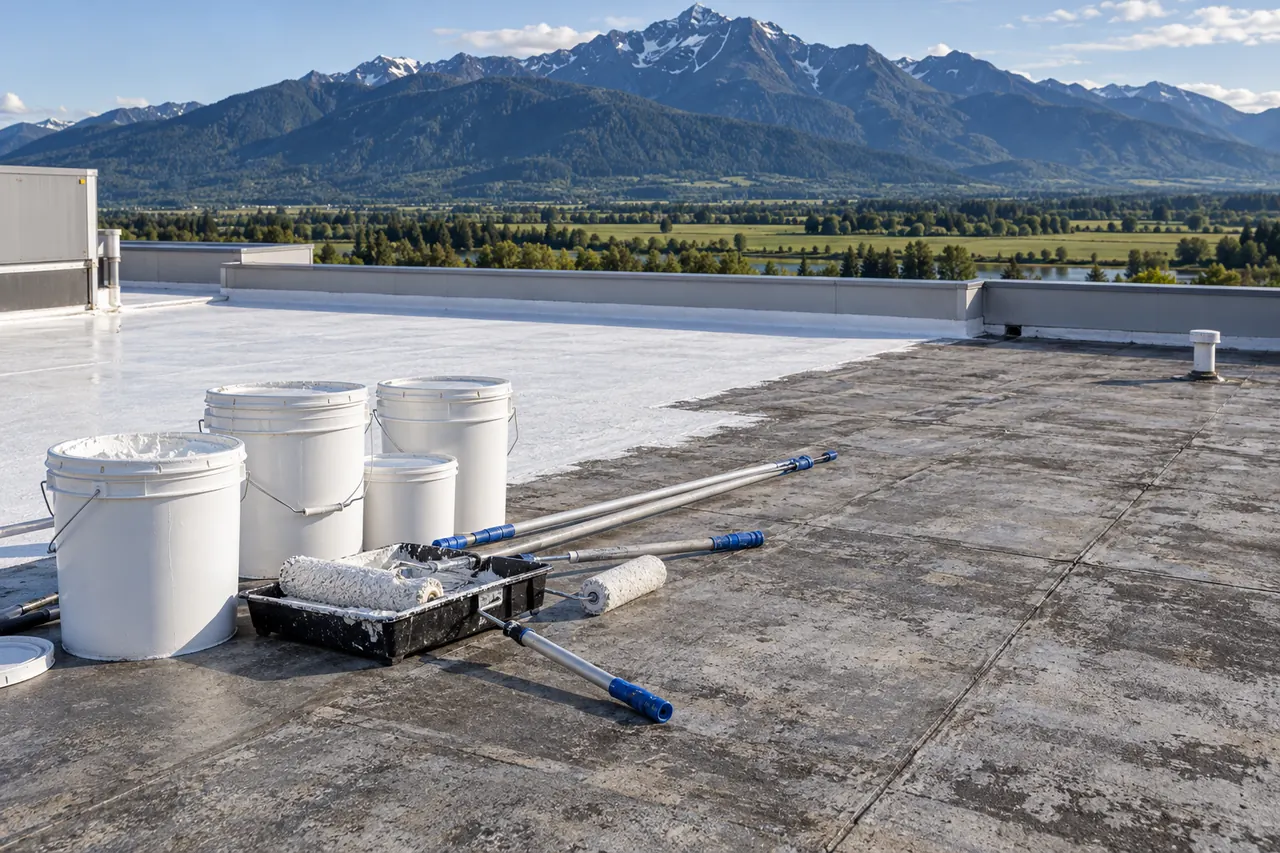
Steep metal roofs on barns and sheds shed water fast enough for acrylic, the usual topcoat on ag metal.
Acrylic Roof Coating Details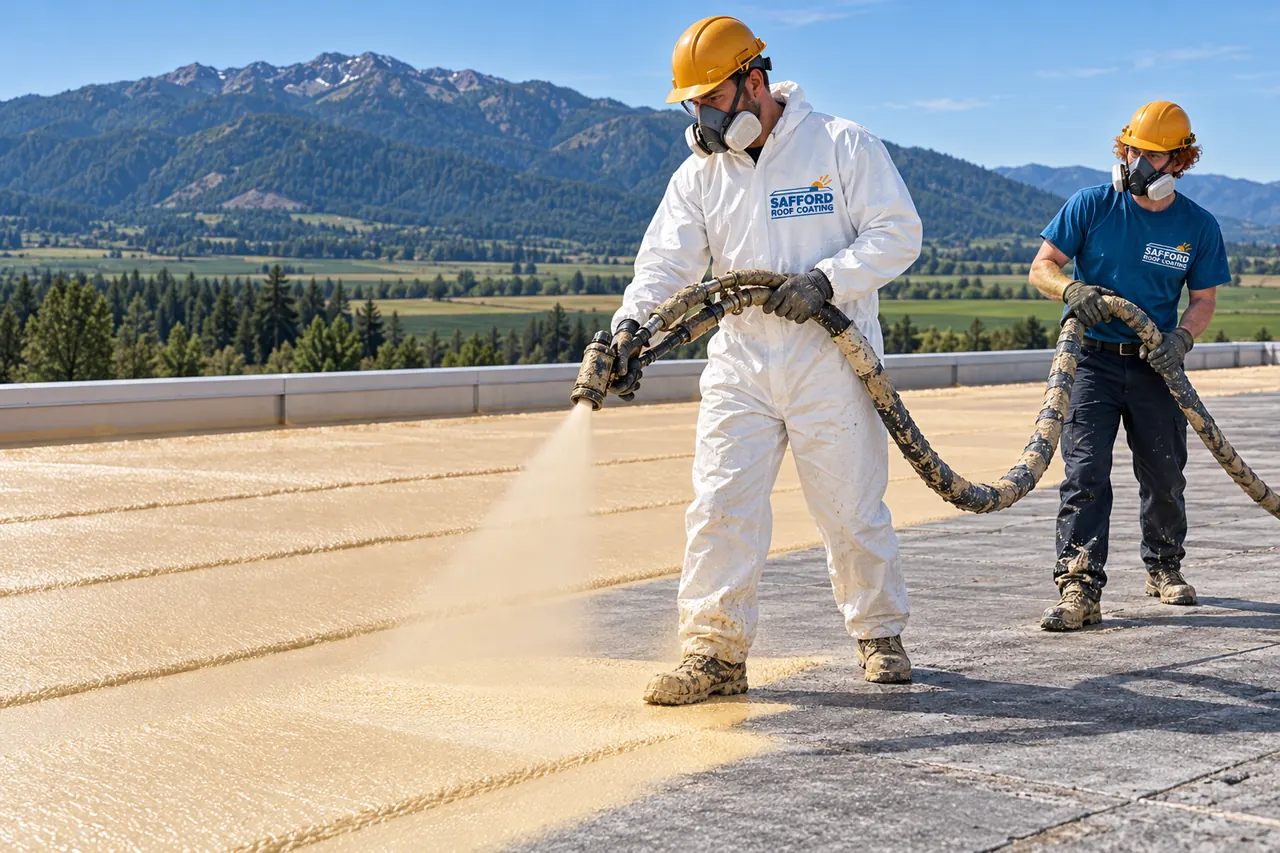
Flat-roofed farm offices and packing rooms can take spray foam for added insulation, topped with a coating.
Spray Foam Roofing DetailsCall with the building size and how long the leaks have been showing. Rust caught at the surface is still a coating job.
Each step works around the equipment and stock inside.
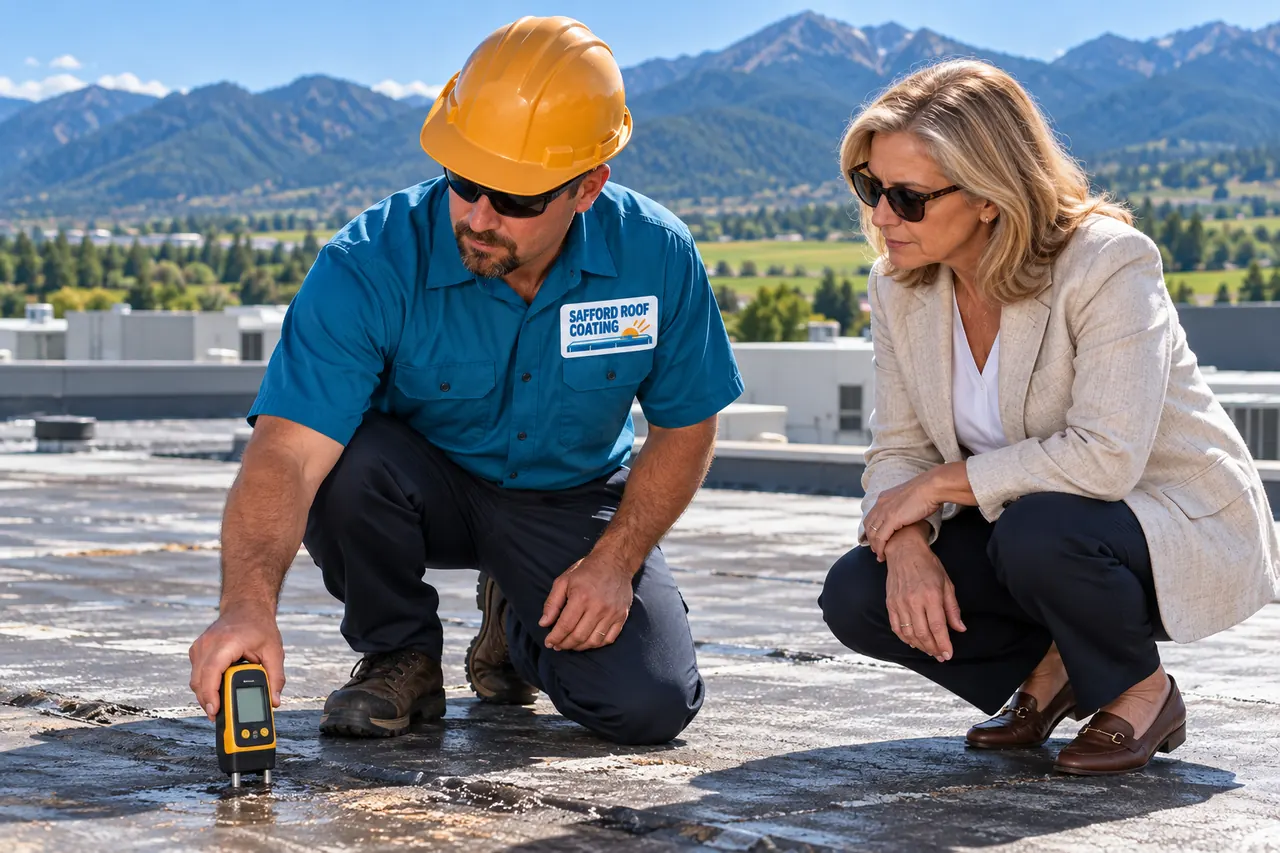 Step 1
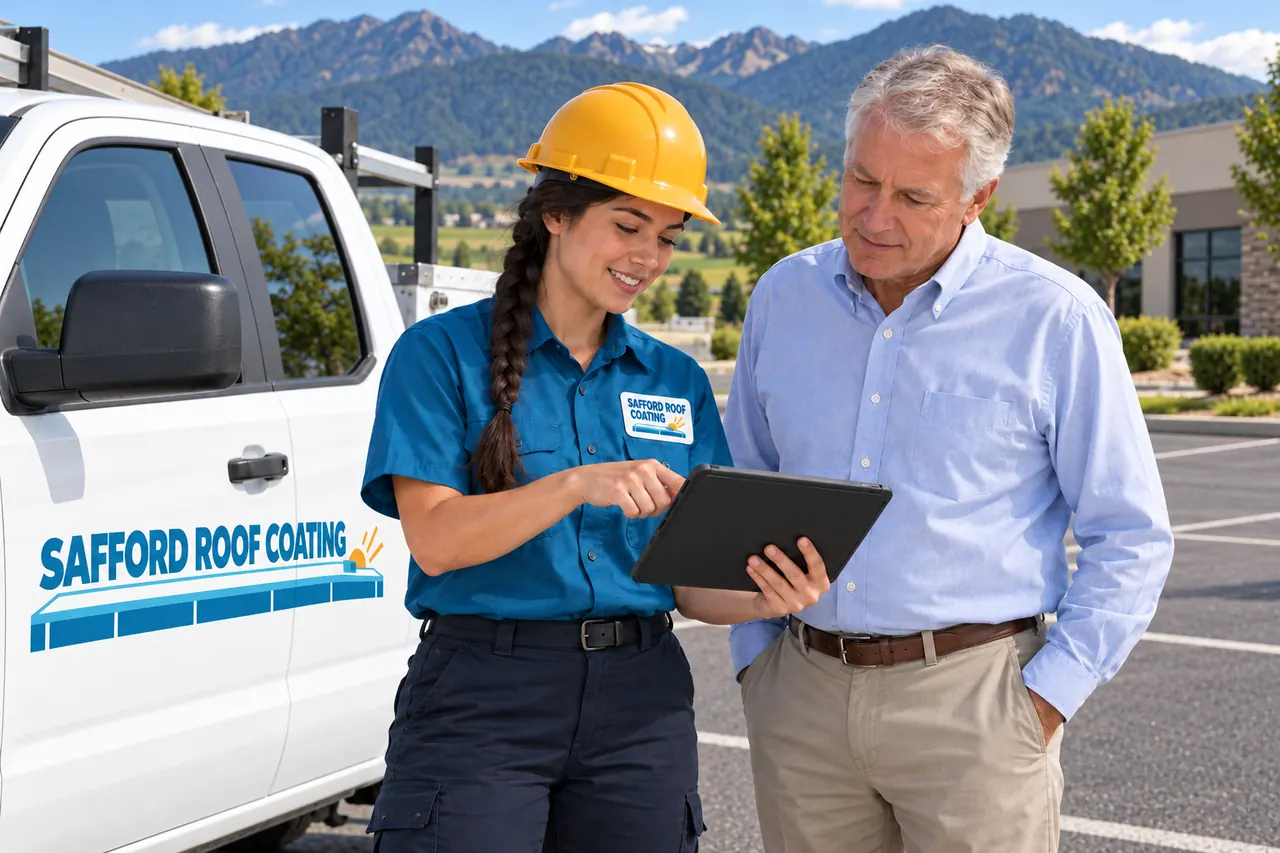 Step 2
We check every lap and screw row, look for daylight through the panels from inside, and note gutters and eave trim.
Roof sections get lined up with what is stored below, so equipment can move and doors can stay usable.
The panels get pressure washed, loose scale is wire-brushed, and rust primer goes on bare steel.
New screws and washers replace worn ones, and laps get seam tape or brush-grade sealant.
Acrylic or silicone goes on in passes, heavier along screw rows and laps where wear starts.
Pima sits northwest of Safford on US-70, with Thatcher between the two.
Questions from owners of shops, barns, and ag buildings.
Asked Most Often
Walk the roof before monsoon season, again after the cold months, and after any hail or wind event. On a farm building, clear dust and leaves from gutters, look for bare spots around screw rows and skylights, and patch punctures with a compatible coating before water gets under it.
Dated photos from each visit make wear easy to track.
The Town of Pima, through its own Planning and Zoning office. Ag buildings and commercial buildings can be treated differently, so a call to the town before work starts sorts out what applies.
Yes. Open-sided barns and equipment sheds coat the same way as closed shops, with extra care at the eaves where wind lifts panels.
Panels rusted through get replaced with a matching profile before coating, since coating over a hole leaves a weak spot.
A coating stuck to clean, primed steel moves with the panels. The fasteners and laps underneath carry the wind load, which is why they get checked and replaced first.
Yes, if the roof sections over busy bays are scheduled for quieter days. Coating moves section by section, so the busiest doors stay open.
Brittle fiberglass skylight panels get replaced, and the edges of firm ones get fabric and coating.
Get a ballpark range for the shop or barn, or call to talk through the rust and leaks.
Want A Call About Your Roof?
Leave a name and number, or call (623) 310-0164 now.